

This guide explains what equipment needs testing, how often inspections are required, who can perform them and what builders, contractors and site managers must do to remain compliant.
How often is testing and tagging required?
For construction and demolition, testing is generally required every three months for portable RCDs, power tools and other plug-in electrical equipment used on site. This frequency accounts for the increased risk of wear and damage in demanding construction environments. Other equipment in lower risk areas may have different frequencies.
Testing and tagging intervals are guided by AS/NZS 3760 and AS/NZS 3012 for the construction industry.
AS/NZS 3760 sets out the requirements for in-service safety inspection and testing of electrical equipment, including inspection procedures, testing methods and applicable intervals.
Section 163 of the Work Health and Safety Regulation 2025 (NSW) calls up AS/NZS 3012:2019 as a mandatory standard for construction and demolition sites. It addresses electrical installations and equipment used on construction and demolition sites and applies to works such as building, excavation, civil engineering, road and bridge construction and demolition.
What types of electrical equipment need testing and tagging in construction?
Electrical equipment used on construction sites get exposed to harsh conditions, increasing the risk of wear and faults. Specific equipment types must undergo regular testing and tagging to ensure safety. These include:
Power tools and other portable appliances
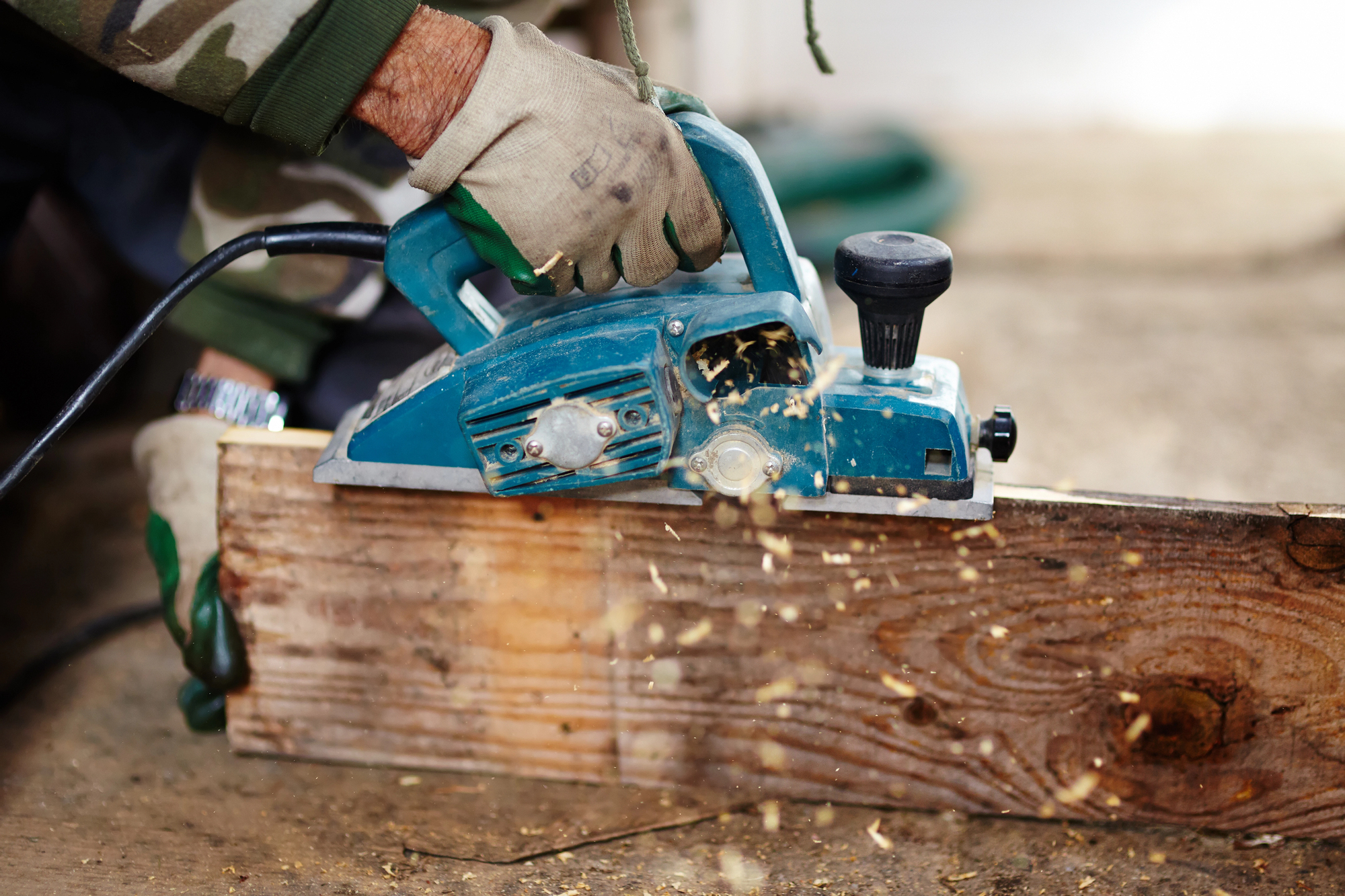
Some portable tools require testing and tagging. Corded power tools such as drills, saws, grinders and other portable appliances, are commonly used on construction sites. Only corded tools and appliances require testing and tagging, while battery-operated tools are exempt. However, chargers for battery-operated tools still require testing.
Three-phase devices
Heavy-duty equipment powered by a three-phase supply, like welders, compressors, and large machinery, requires more rigorous testing. The process involves checking for insulation resistance, earth continuity, and functional controls due to the higher electrical load, which may increase risks of any hazards.
Portable RCDs
RCDs (safety switches) quickly disconnect power when they detect an electrical fault, reducing the risk of electric shock. On construction sites, portable RCDs require a push-button test before each use and an operating-time test every three months to confirm they function correctly. Learn more about how RCDs work.
What information is required on tags?
Tags must display key information, including:
- Date of the test
- The next due date for testing
- Tester’s name or license number
- Test outcome (pass or fail)
Colour Coding
A colour coding system is used on construction sites to identify when equipment was last tested:
- Red for January to March
- Green for April to June
- Blue for July to September
- Yellow for October to December
The colour-coded tags make it easier for workers and inspectors to identify out-of-date equipment and enhance compliance with safety regulations.
What should records include after testing and tagging?

Detailed record keeping and documentation are essential to the testing and tagging process, ensuring ongoing compliance with safety regulations and facilitating effective safety management.
- Equipment details – each record should identify the specific equipment tested, equipment type, make, model, and serial number.
- Test results – whether the equipment has passed or failed the inspection.
- Corrective action – details of any corrective actions taken for equipment that failed the test, including repairs and replacement.
- Tester information – name and qualificaitons of the person testing, verifying their competency.
- Testing dates – date oftest and next scheduled testing date to ensure compliance with safety standards.
Who is responsible for testing and tagging on NSW construction sites?
Electrical safety is a shared responsibility between businesses involved in construction work. Under NSW work health and safety legislation, a person conducting a business must manage electrical risks associated with work activities and equipment under their control.
- Principal contractors and builders – Coordinate site-wide electrical safety requirements and manage risks within their control.
- Subcontractors and sole traders – Ensure electrical tools and equipment used for their work meet testing and tagging requirements.
- Employees and labour hire workers – Check equipment for visible damage, follow site safety procedures and report faults.
- Equipment hire companies – Ensure hired electrical equipment meets applicable inspection and testing requirements.
A principal contractor’s site safety procedures do not automatically remove a subcontractor’s own WHS responsibilities. For example, electricians, carpenters, plumbers, builders and other tradespeople who bring electrical tools onto a construction site must ensure those tools meet the applicable safety requirements.
Who can perform testing and tagging in NSW?
Testing and tagging portable electrical equipment on construction sites must be performed by a competent person. A competent person has the appropriate knowledge, skills and training to inspect electrical equipment, operate testing instruments and interpret test results.
Construction sites have specific electrical safety requirements that differ from other workplaces. As an example, testing and tagging requirements for factories and workshops in NSW differ from those of construction sites.
Using an experienced and qualified testing and tagging provider helps construction businesses maintain consistent testing schedules and accurate records.
Do new or hired power tools need testing and tagging?
New equipment does not require testing upon initial entry into service, but must undergo testing once it is in use depending on its purpose. It should be visually inspected for obvious damage.
Hired electrical equipment also has specific inspection and testing requirements. SafeWork NSW guidance requires hire equipment to be inspected before each hire and tested at intervals. Once introduced to a construction site, the applicable construction-site testing intervals apply according to the equipment category.
Construction sites using electrical appliances purchased overseas must also ensure they meet Australian electrical safety requirements. Overseas equipment may have incompatible plugs, voltage ratings or safety certifications, creating additional risks on site.
Can a builder test and tag their own construction tools?
Yes, provided the builder is competent to perform the required inspections and electrical tests and has suitable testing equipment. Simply owning a portable appliance tester does not establish competency.
If the builder is working across different construction sites, equipment tested at one site can be used at another provided it remains safe, its inspection and testing status is current, and it meets the requirements of the new site.
What information should appear on tags?
Electrical equipment that passes the applicable inspection and testing requirements must carry an identification tag. The tag must clearly identify the inspection date and next inspection due date. A typical test and tag label identifies:
- The date of inspection or testing
- The next inspection or testing due date
- The tester’s name or identification
- The applicable Australian Standard
What happens when electrical equipment fails the test?
Electrical equipment that fails an inspection or electrical safety test must be withdrawn from service immediately. The equipment should be clearly identified with an out-of-service tag to prevent workers from using it.
Depending on the fault, the equipment may need to be repaired by an appropriately qualified person or replaced entirely. Equipment that has undergone repairs must be inspected, retested and appropriately tagged before returning to service.
Hire a testing and tagging company that understands the construction industry
Construction businesses rely on electrical tools and equipment every day. Keeping those items tested, tagged and properly documented is essential for managing electrical risks and meeting NSW compliance requirements.
At Precision Test and Tag, we provide professional electrical testing and tagging services for builders, contractors and construction businesses across Sydney.
With more than 13 years of experience in electrical test and tag services, Craig Boyle understands the testing requirements that apply to demanding construction environments.
Whether you need portable power tools, extension leads, three-phase plug-connected equipment or RCDs tested, we can help you manage your testing requirements and maintain clear records.
Contact Precision Test and Tag today for a quote on construction-site testing and tagging in Sydney.